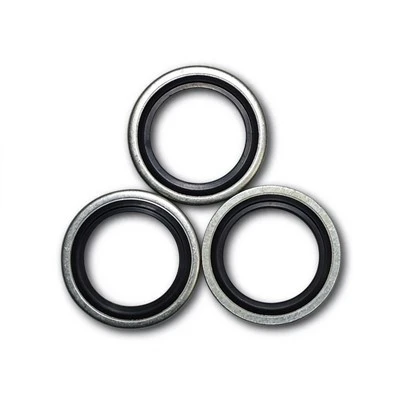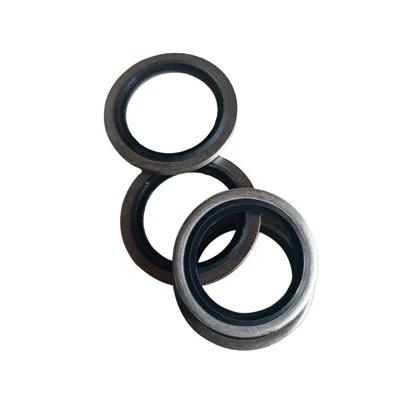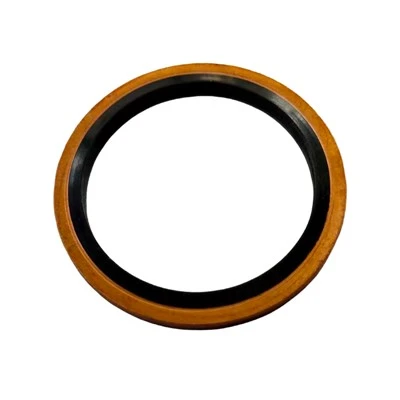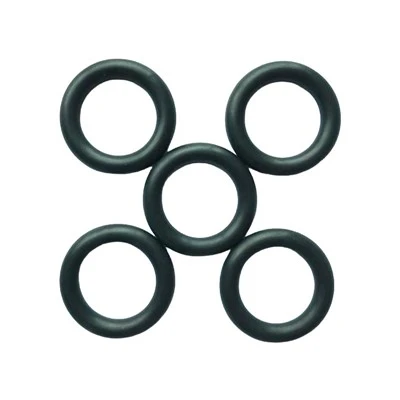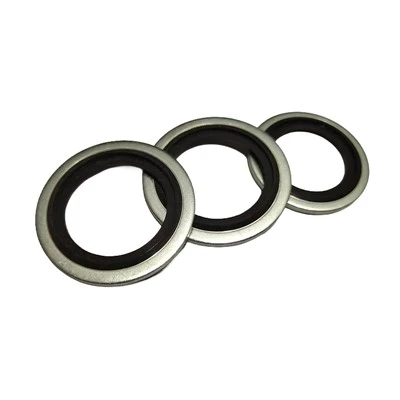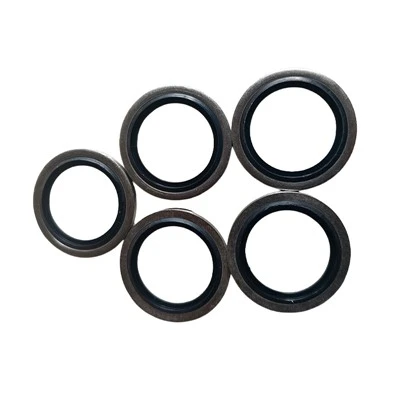
The choice of material directly determines how a seal responds to temperature and the medium it encounters. Nitrile rubber exhibits minimal volumetric expansion in mineral oil-based hydraulic fluids; however, it swells significantly when exposed to phosphate ester-based hydraulic fluids, which can lead to the blockage of sealing gaps or the fragmentation of the seal itself.
Fluororubber offers excellent resistance to high temperatures and a wide range of chemical media, but it loses its elasticity at low temperatures, potentially causing leakage during cold-start phases. Polytetrafluoroethylene (PTFE) seals are chemically inert but prone to creep-they gradually thin out under sustained bolt loads-necessitating the use of disc springs or periodic retightening. Metal seals, such as hollow copper or aluminum washers, rely on plastic deformation during assembly to fill microscopic surface irregularities; however, their sealing performance is highly sensitive to surface roughness and tightening torque. Each material is suited to a specific set of operating conditions, and no single material is universally applicable across all hydraulic systems.