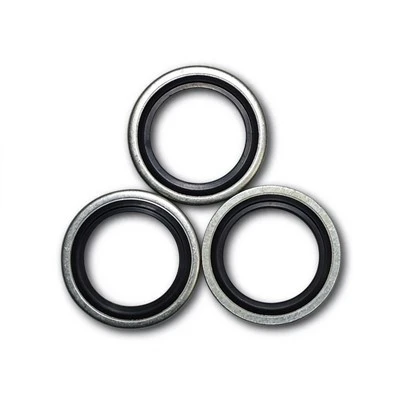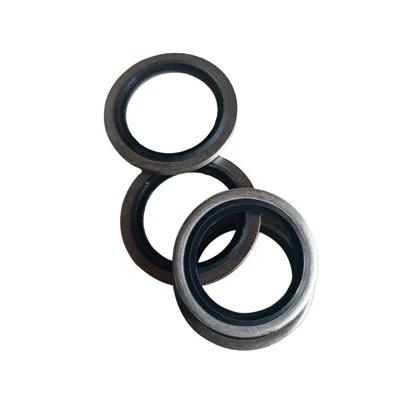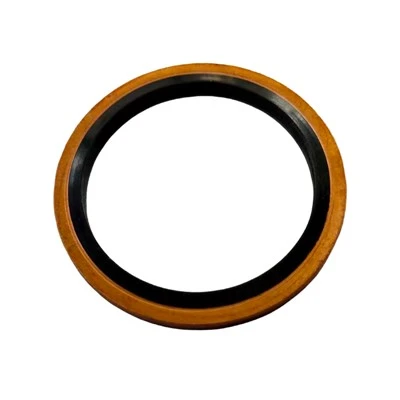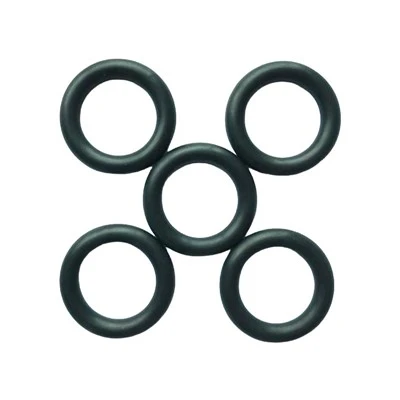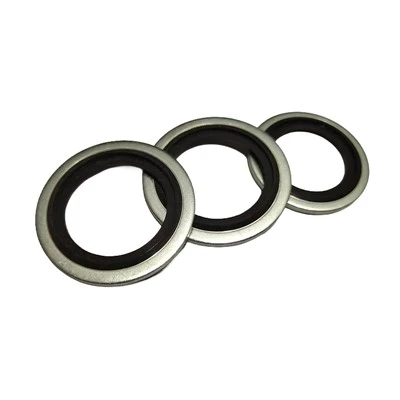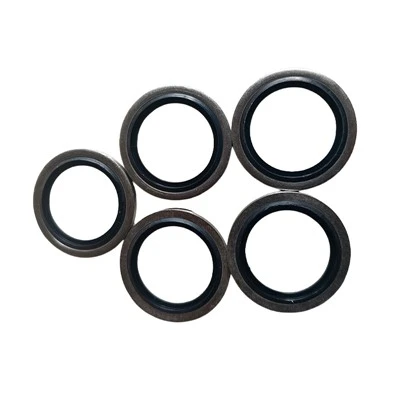
A hydraulic pipe gasket is a static sealing element used at the connection points of hydraulic system piping. Its primary function is to fill the microscopic gaps between two rigid metal surfaces, thereby preventing pressurized hydraulic fluid from leaking at the interface. In terms of physical form, it typically appears as a thin, ring-shaped sheet or a component with a specific cross-sectional profile, installed at locations such as pipe fittings, pump ports, or valve block interfaces. To understand hydraulic gaskets, one must analyze their design logic by examining their failure modes; the true performance of a gasket is rarely revealed during routine operation, but rather under extreme conditions-such as pressure fluctuations, thermal cycling, or exposure to corrosive media.
Leaks at hydraulic pipe connections are seldom the result of a single factor. When a gasket is compressed, an internal stress distribution is generated. If the bolt preload is uneven, some areas of the gasket may undergo plastic yielding, while others remain within the elastic deformation range. Should the system pressure subsequently rise, the hydraulic fluid will seek to escape along the path of least resistance-the area with the lowest stress. Once this leakage path is established, it will not close on its own, even if the system pressure drops, because the material's elastic recovery capacity has been compromised by localized plastic deformation. Consequently, the core objective in designing a hydraulic gasket is not merely to optimize its hardness or thickness, but to ensure a sufficiently uniform stress distribution across the entire annular area, allowing the material to retain a consistent capacity for elastic recovery throughout its service life.