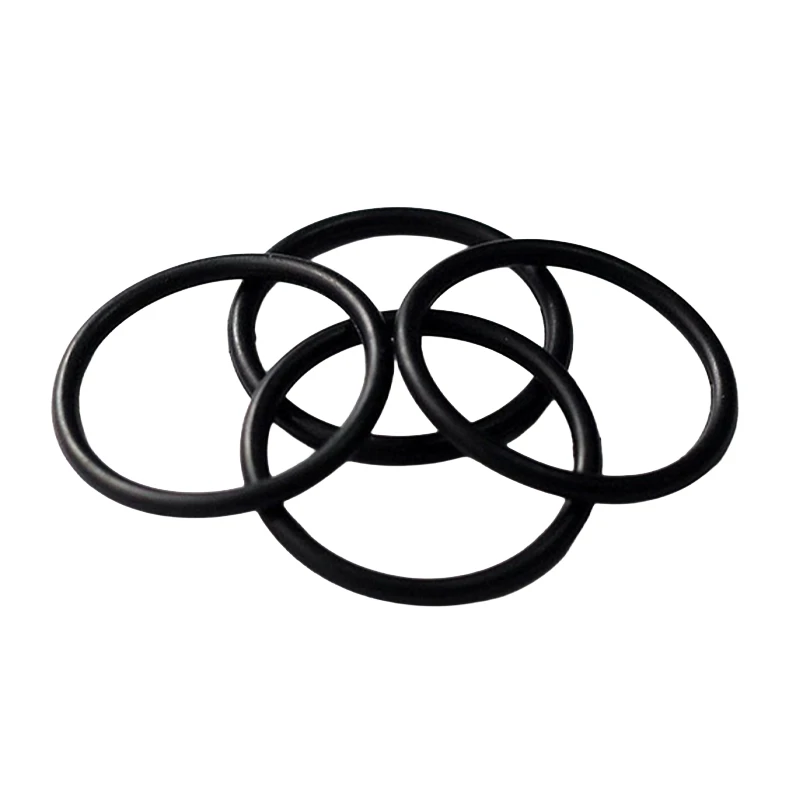
1. Pre-installation Inspection: Verify that the seal model and material are correct, and ensure there are no visible defects or burrs. Check the dimensional accuracy and surface finish of the installation grooves, shafts, or bores, and remove any burrs or sharp edges.
2. Proper Installation: Use specialized tools or appropriate installation methods; avoid using sharp tools that could scratch the seal. Ensure the seal is not twisted or excessively stretched. For seals with specific orientation requirements (such as oil seals or Y-ring seals), take care to install them in the correct direction. Appropriate lubricants may be used to facilitate installation.
3. Operation and Maintenance: During the initial startup of the equipment, perform a low-pressure, slow-speed break-in run to allow the seal to seat properly. Regularly monitor the equipment for abnormal leakage, vibration, or temperature increases, as these may be early signs of seal failure. Replace seals periodically according to the equipment manufacturer's specifications; do not continue to use them beyond their intended service life.