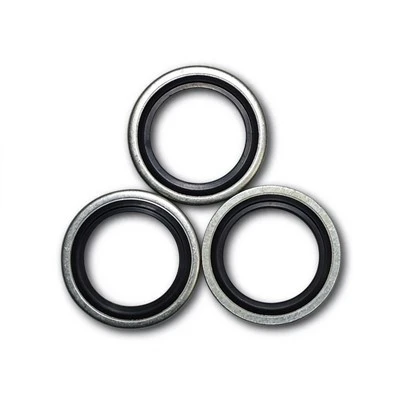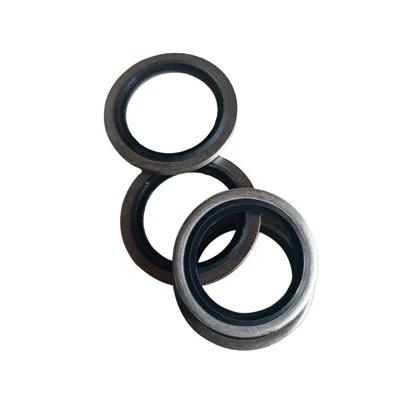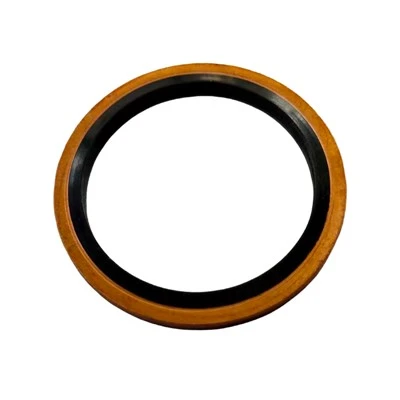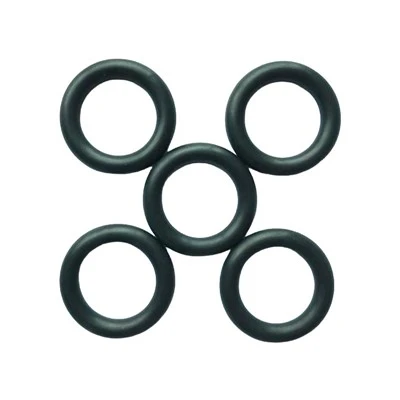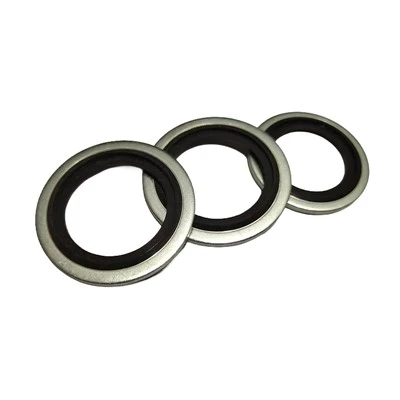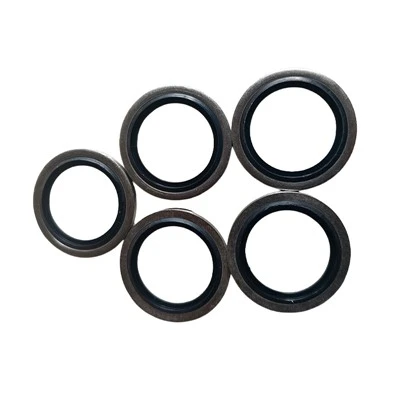
The storage and service-life management of sealing gaskets also affect their reliability. Rubber gaskets, when stored for long periods in environments exposed to light, ozone, or high temperatures, undergo aging-manifesting as surface cracking or hardening. Even if a gasket appears intact beyond its shelf life, its elastic modulus may have shifted, preventing it from exerting the contact pressure required by the original design once installed in a system.
Polytetrafluoroethylene (PTFE) gaskets may undergo creep under their own weight during storage, resulting in uneven thickness. For metal gaskets, surface oxidation or contamination by oil and grease can impair their ability to undergo plastic flow and fill sealing gaps. Consequently, sealing gaskets should be stored in a cool, dry place, protected from compression or folding, and managed according to a "first-in, first-out" (FIFO) principle.