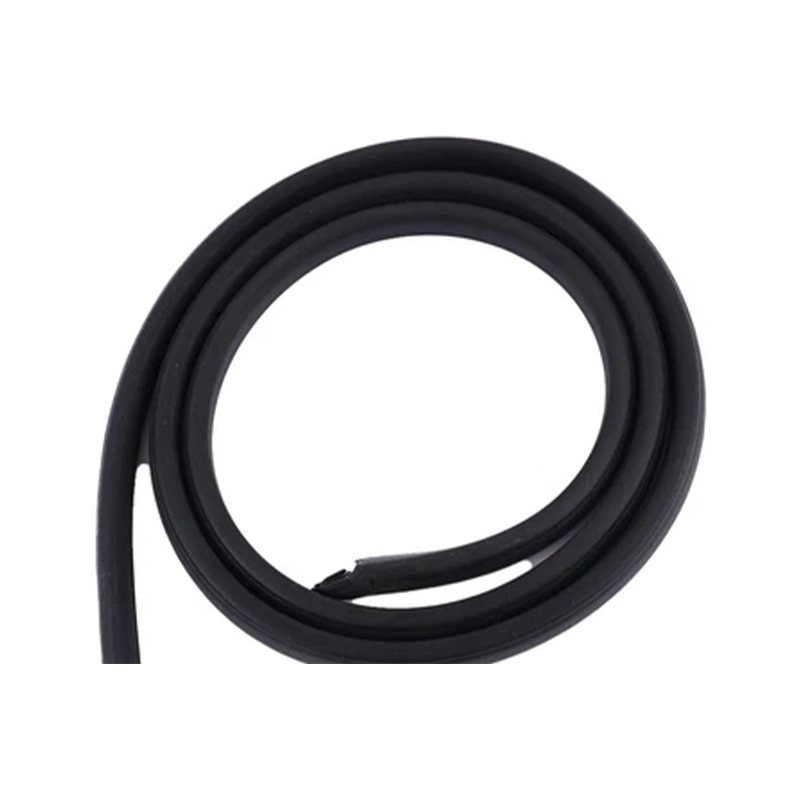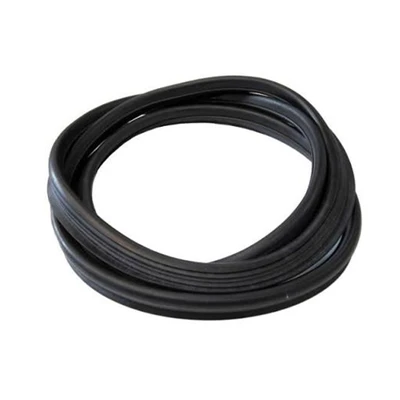
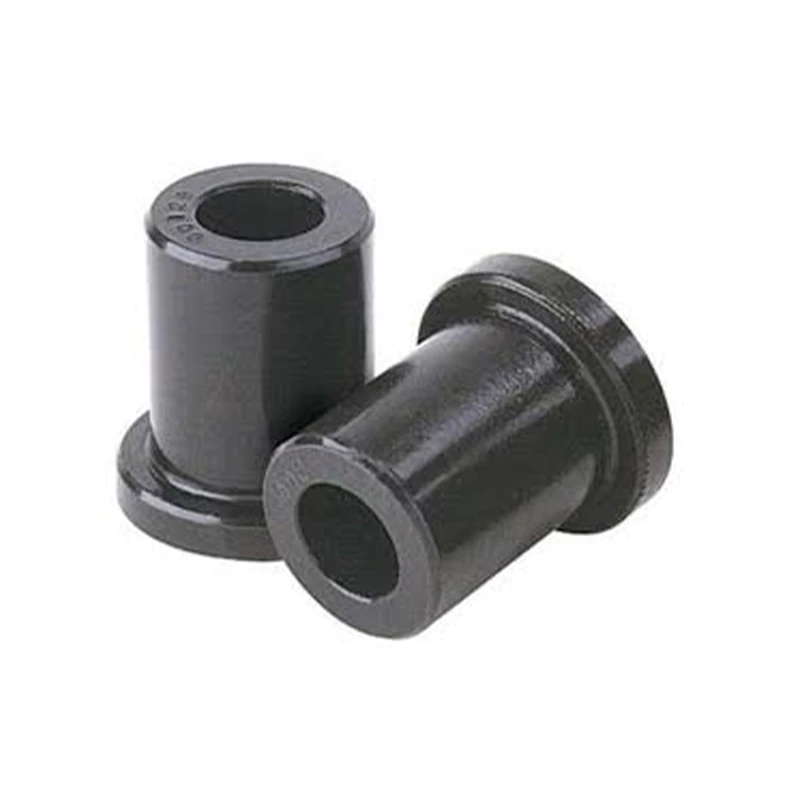
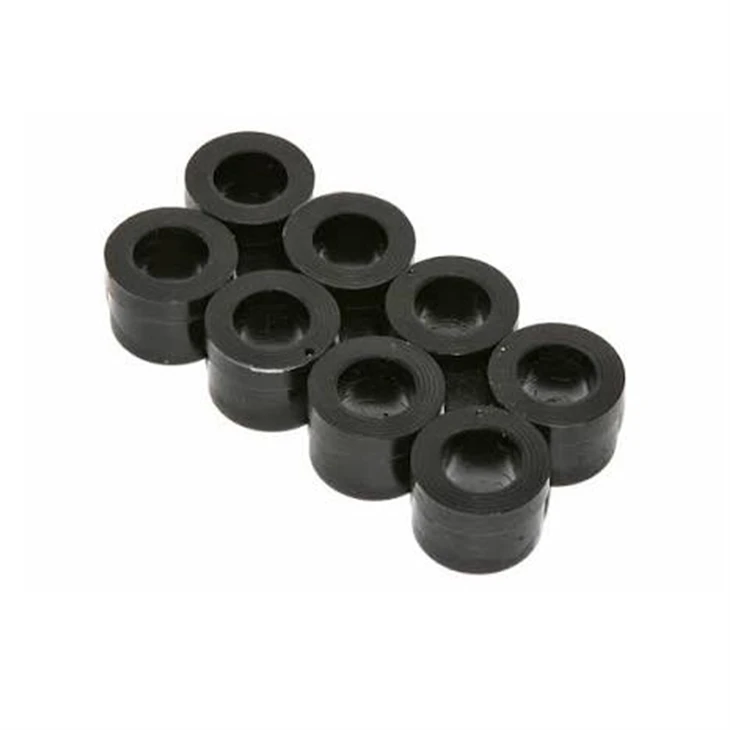
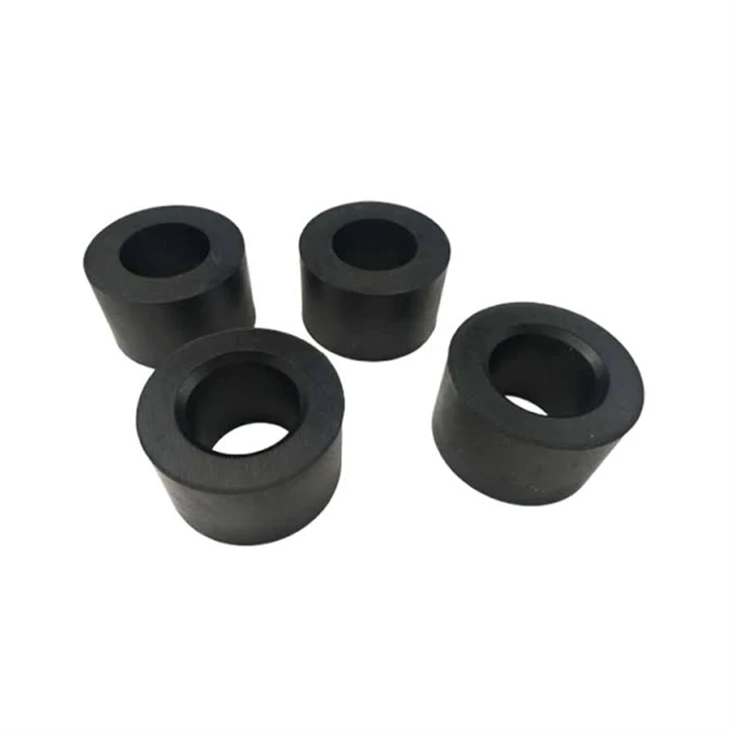
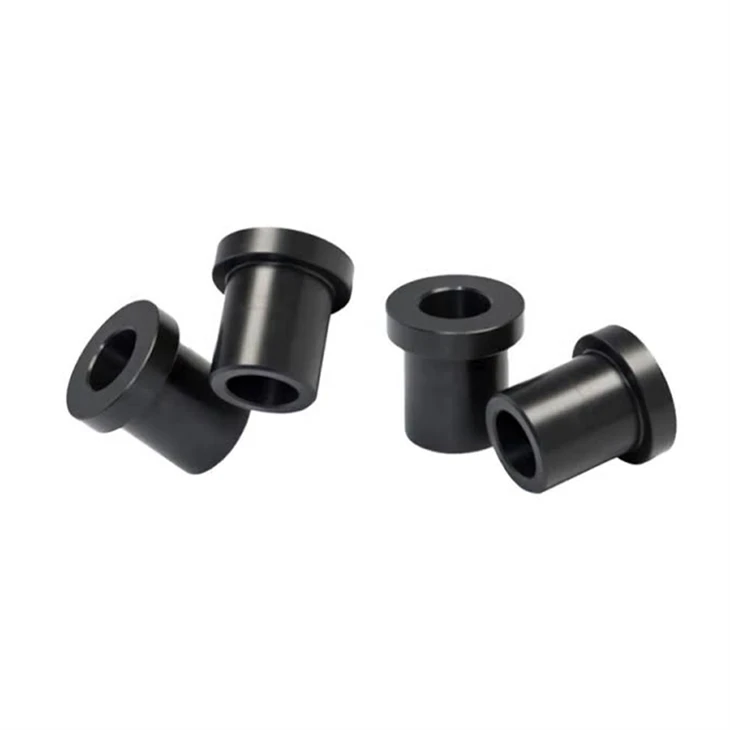
Automotive Rubber Bushings are elastic suspension and mounting components, not fluid seals. Many designs combine an inner metal sleeve, a rubber element, and an outer metal sleeve through vulcanization. They are used in control arms, subframes, trailing arms, stabilizer bar mounts, and selected engine mounts to absorb impacts, isolate vibration, and reduce noise. The rubber deforms under radial, axial, and torsional loads, allowing controlled movement without hydraulic pressure. Relevant references include QC/T 753-2006 for automotive rubber bushings, HG/T 2197 for rubber materials, and GB/T 3672.1 for dimensional tolerances. ISO 3302 and ASTM D2000 may serve as additional references for dimensional tolerances and rubber material classification, respectively. IATF 16949 relates to the manufacturer's quality management system. Dimensions and stiffness requirements are usually specified by OEM drawings.
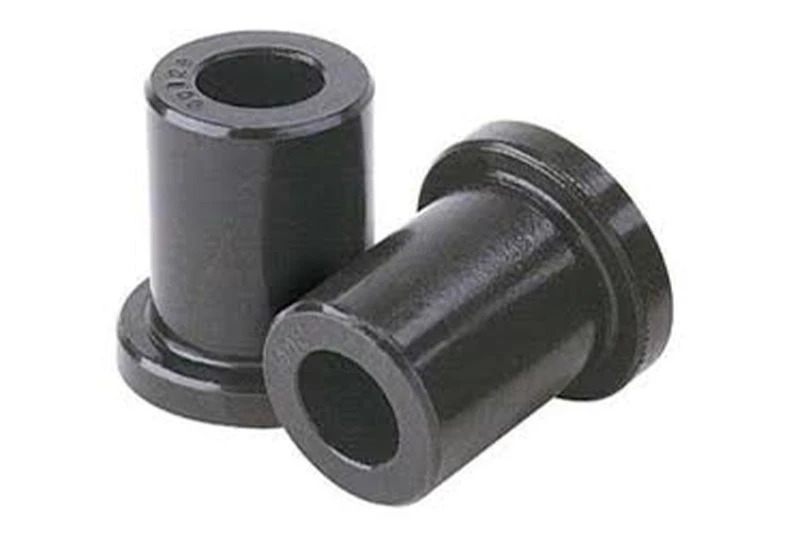
Two Structures and Four Compounds
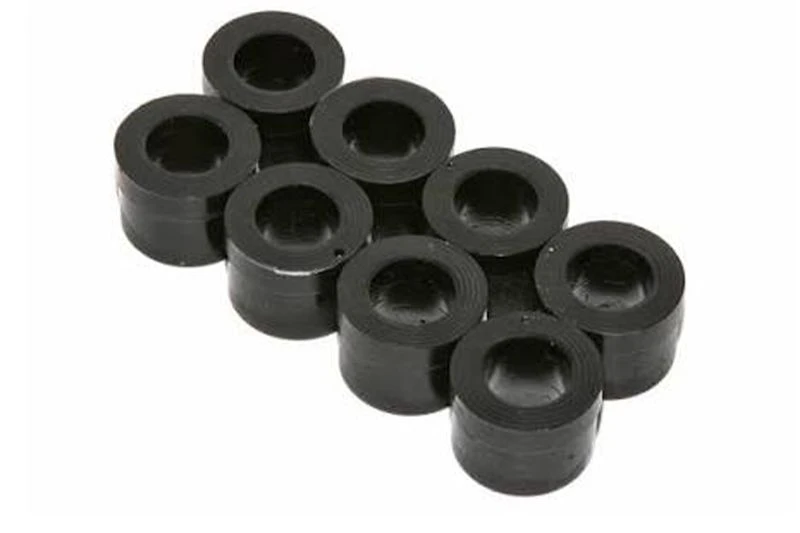
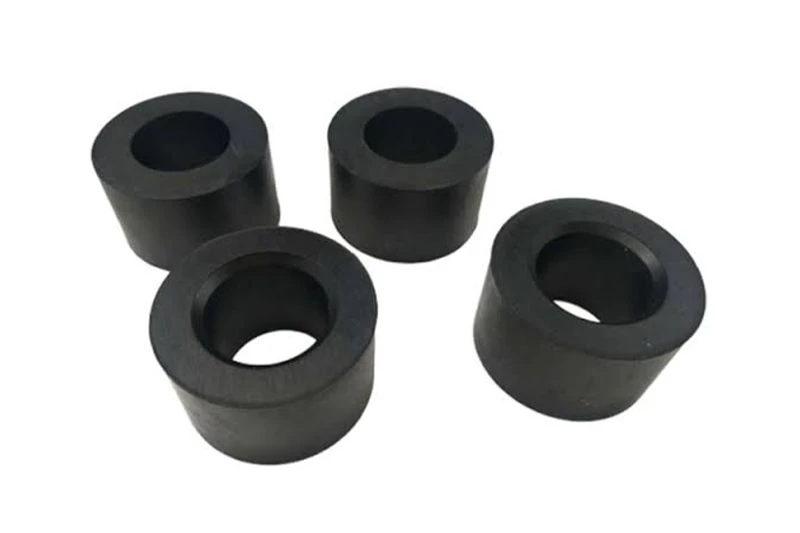
Automotive Rubber Bushings include bonded sleeve designs with inner and outer metal sleeves, commonly used in control arms and trailing arms, as well as open-type stabilizer bar bushings that may not have an inner sleeve. Natural rubber (NR) is widely used for suspension bushings because of its elasticity, fatigue performance, and dynamic damping. EPDM suits stabilizer bar mounts exposed to weather, ozone, and muddy water. Chloroprene rubber (CR) may be selected for applications requiring weather resistance and some resistance to oil splash. Polyurethane (PU) is used in some replacement or modified suspension parts where higher stiffness and wear resistance are priorities, although ride comfort may be reduced.
Bushings carry alternating mechanical loads rather than fluid pressure. Shore A 55–75 is a common rubber hardness range, but the correct grade depends on the required stiffness, load direction, vibration characteristics, and suspension geometry. Service exposure may include rain, muddy water, air, ozone, UV radiation, and occasional road oil or grease contamination. NR is generally unsuitable for prolonged mineral oil exposure; EPDM also has poor compatibility with mineral oils. CR offers some resistance to light oil splash, but performance depends on the compound. Confirm the installation position and operating conditions before selecting the material, since control arm bushings, stabilizer bar mounts, and engine mounts have different load and damping requirements.
Stiffness Drawings and Delivery
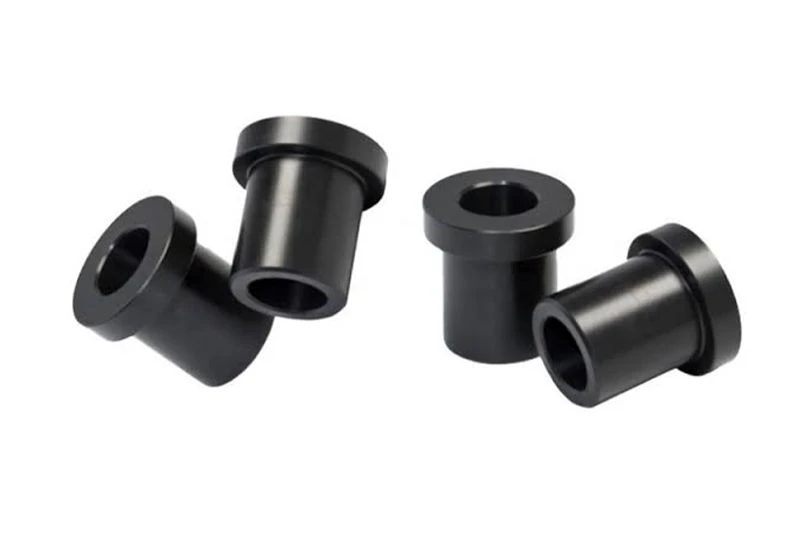
Automotive Rubber Bushings are generally developed to match the vehicle's mounting geometry and required stiffness. Before quotation, confirm the inner sleeve dimensions, outer sleeve dimensions, overall length, mounting position, load direction, and service environment. Where applicable, provide target stiffness or load-deflection requirements and details of the metal sleeves and surface treatment.
Parts are made to drawings or samples, with an MOQ of 500–1,000 pieces depending on material. Custom samples typically take about one month. All parts undergo inspection before packing, and third-party inspection is accepted. Incoming checks cover specifications and appearance within 30 days. Stock items generally ship in 3–5 days; out-of-stock items take 7–12 days, while special materials or peak-season orders may require 12–15 days. Export packing uses marked PE bags and cartons, with pallets for larger shipments.
Product Specifications
|
Parameter |
Specification |
|
Standards and references |
QC/T 753-2006; HG/T 2197 for rubber materials; GB/T 3672.1 for dimensional tolerances; ISO 3302 and ASTM D2000 as additional references where applicable. IATF 16949 relates to the quality management system. |
|
Structure types |
Bonded bushing with inner and outer metal sleeves; open-type stabilizer bar bushing, often without an inner sleeve |
|
Dimension format |
Inner sleeve dimensions, outer sleeve dimensions, and axial length; open-type bushings use the relevant mounting dimensions |
|
Indicative size range |
Inner diameter: Ø8–Ø60 mm; outer diameter: Ø20–Ø120 mm; length: 15–150 mm |
|
Materials |
NR, EPDM, CR, PU; metal sleeves may use SPCC cold-rolled steel with zinc or zinc-nickel plating |
|
Typical material temperature ranges |
NR: -40°C to +100°C; EPDM: -40°C to +120°C; CR: -40°C to +100°C; PU: -30°C to +80°C |
Hot Tags: automotive rubber bushings, China automotive rubber bushings manufacturers, suppliers, factory, Automotive Rubber Boots, Automotive Rubber Bushings, Car Engine Oil Seal, Car Windshield Gasket, Engine Rubber Gasket, rubber seals