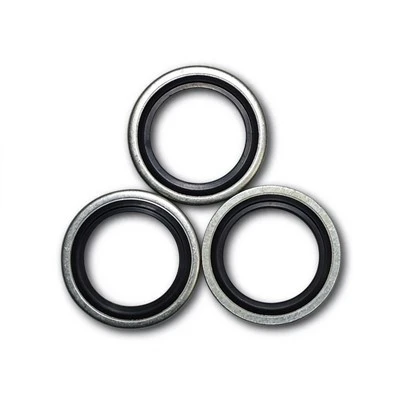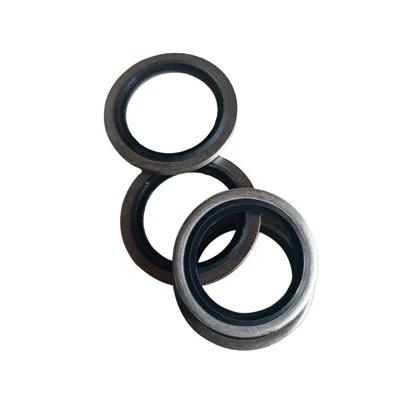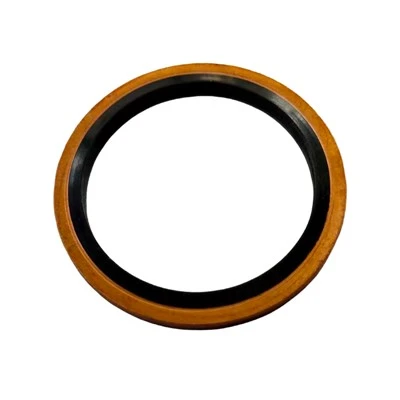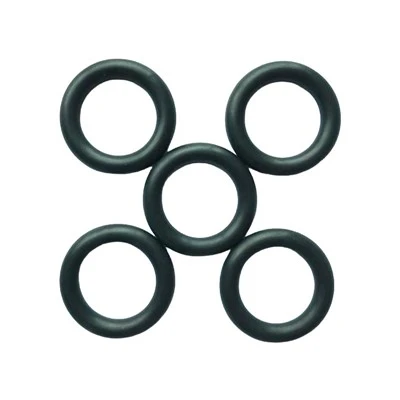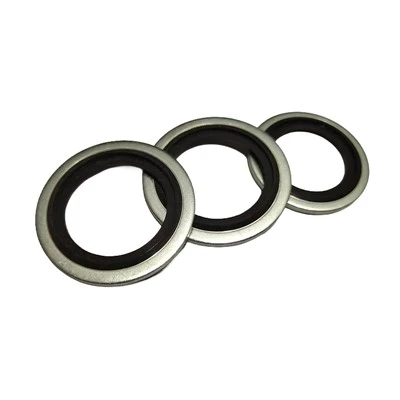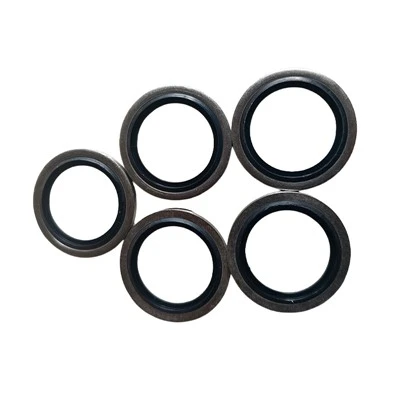
In the rubber products industry, rubber sealing rings for oil pipes are indispensable components. Their primary function is to provide an effective seal between oil pipes and other conduits, preventing the leakage of liquids or gases. The design and manufacture of these sealing rings require precise material selection, rigorous process control, and a profound understanding of sealing performance.
The selection of a rubber sealing ring for an oil pipe depends largely on its operating environment. Different rubber materials offer varying degrees of resistance to oil, heat, and pressure; therefore, choosing the appropriate material is crucial to ensuring the performance of the sealing ring. For instance, Nitrile Butadiene Rubber (NBR) and Fluoroelastomer (FKM) are commonly used materials for such sealing rings, as they exhibit excellent wear resistance and oil resistance.
The manufacturing process for these sealing rings also demands strict control, encompassing precise dimensional calculations, mold design, and the management of production techniques. Only through such rigor can one ensure that the sealing ring fits snugly against the oil pipe, creating an effective seal.
Furthermore, a deep understanding of sealing performance is essential. This includes studying how sealing rings behave under various pressures and how temperature fluctuations affect their performance. Such insights are invaluable for optimizing product design and enhancing the overall performance of the sealing rings.